
 0
0
 0
0
The Allure of Chance
The thrill of gambling lies in its inherent unpredictability. Many players are drawn to the possibility of winning, which fuels a sense of excitement and anticipation. This allure is intensified by the idea that anyone can hit the jackpot at any moment, creating a compelling narrative where fortune could favor the next player. Players often explore various options, including betting sites canada , to find the best opportunities to maximize their chances. The unpredictability activates various psychological triggers, including the release of dopamine, a neurotransmitter associated with pleasure and reward. The anticipation of a win creates positive feelings, effectively reinforcing the behavior of gambling and making it hard for individuals to resist the urge to play.
The concept of risk versus reward plays a crucial role in attracting individuals to casinos. Players often perceive the potential rewards as outweighing the risks, even when the odds may be against them. This cognitive bias can lead to overconfidence, where gamblers believe they possess skills or strategies that can sway the outcome in their favor. For example, a player might feel that their experience or intuition can guide them to select the right machine or table, leading them to disregard the statistical reality of their chances. The excitement of playing can overshadow the reality of the odds, compelling individuals to continue engaging with games of chance in pursuit of that elusive win.
Moreover, the environment of a casino is meticulously designed to heighten these feelings of euphoria and anticipation. The use of bright lights, engaging sounds, and vibrant colors creates a sensory experience that keeps players enthralled. The atmosphere is engineered to promote a state of excitement and immersion, which can lead to a psychological state where gamblers lose track of time and money spent. This captivating environment further anchors them in the cycle of play, making it difficult to walk away. Understanding the psychological underpinnings of these experiences sheds light on why many find it challenging to exit the gaming floor despite the risks involved.
The Illusion of Control
A significant aspect of gambling psychology is the illusion of control, which is the belief that players can influence the outcome of games that are inherently random. This phenomenon is particularly prevalent in games like poker or blackjack, where strategies and decisions can impact results. Gamblers often overestimate their skills and the effect of decision-making, fostering a sense of empowerment that encourages continued play. This cognitive distortion can lead to prolonged gambling sessions, where players feel they are more capable of achieving success than they actually are, often ignoring the role of chance.
This illusion also extends beyond decision-based games to purely chance-based activities, such as slot machines. Even when outcomes are entirely random, players may perceive patterns or believe that their actions can sway the results—a concept known as “gambler’s fallacy.” For instance, a player might think that a specific slot machine is “due” for a payout after experiencing a series of losses. This misperception can lead to excessive playing and a relentless pursuit of a win, making it especially challenging for gamblers to accept defeat and stop playing when they should.

Additionally, casinos often leverage this illusion of control through promotional tactics, such as offering tournaments or skill-based games, which serve to reinforce gamblers’ confidence in their abilities. By providing players with a false sense of autonomy over game outcomes, casinos fuel the ongoing engagement of their patrons. This psychological phenomenon reveals the complexities behind why individuals persist in gambling, despite the associated risks and the reality of chance. The ongoing engagement can lead to significant financial and emotional consequences that are not immediately apparent to the players.
The Role of Social Dynamics
The social component of casino gambling cannot be overlooked, as it significantly influences players’ behavior and decision-making. Many people enjoy the communal aspects of gambling, such as interacting with other players or dealers, which can enhance the overall experience. These social interactions often lead to a sense of belonging and camaraderie, as individuals share in the highs and lows of the game. This social dimension not only makes gambling more engaging but also reinforces continued participation as players seek to relive enjoyable moments with their peers.
Furthermore, social norms and peer pressure can impact a gambler’s behavior. In casino settings, observing others celebrating wins or sharing strategies can motivate individuals to take greater risks than they might typically consider when alone. This phenomenon highlights the powerful influence of group dynamics, where players may feel compelled to conform to behaviors exhibited by those around them. The fear of missing out (FOMO) can further drive individuals to engage in gambling, especially in lively, bustling environments where others appear to be having fun and winning.
The integration of social media into gambling culture has also evolved the landscape of gaming. Online platforms often facilitate social interactions among players, allowing them to share experiences, victories, and challenges in real-time. This connectivity can amplify the social aspects of gaming, encouraging individuals to gamble more frequently as they seek to maintain connections and participate in shared activities online. As the social dynamics of gambling continue to shift with technological advancements, understanding these influences is critical to grasping the full psychological impact of casino gambling, particularly in the context of responsible gaming.
The Impact of Loss and Risk Aversion
Understanding the psychology of gambling also requires an exploration of loss perception and risk aversion. Many players experience significant emotional reactions when they lose money, often feeling regret or frustration. This aversion to loss can lead to irrational decision-making, where individuals chase losses in an attempt to regain their previous financial positions. This behavior, referred to as “loss chasing,” can result in a vicious cycle of gambling that further deepens financial distress and emotional turmoil, trapping players in a loop of increased risk-taking.
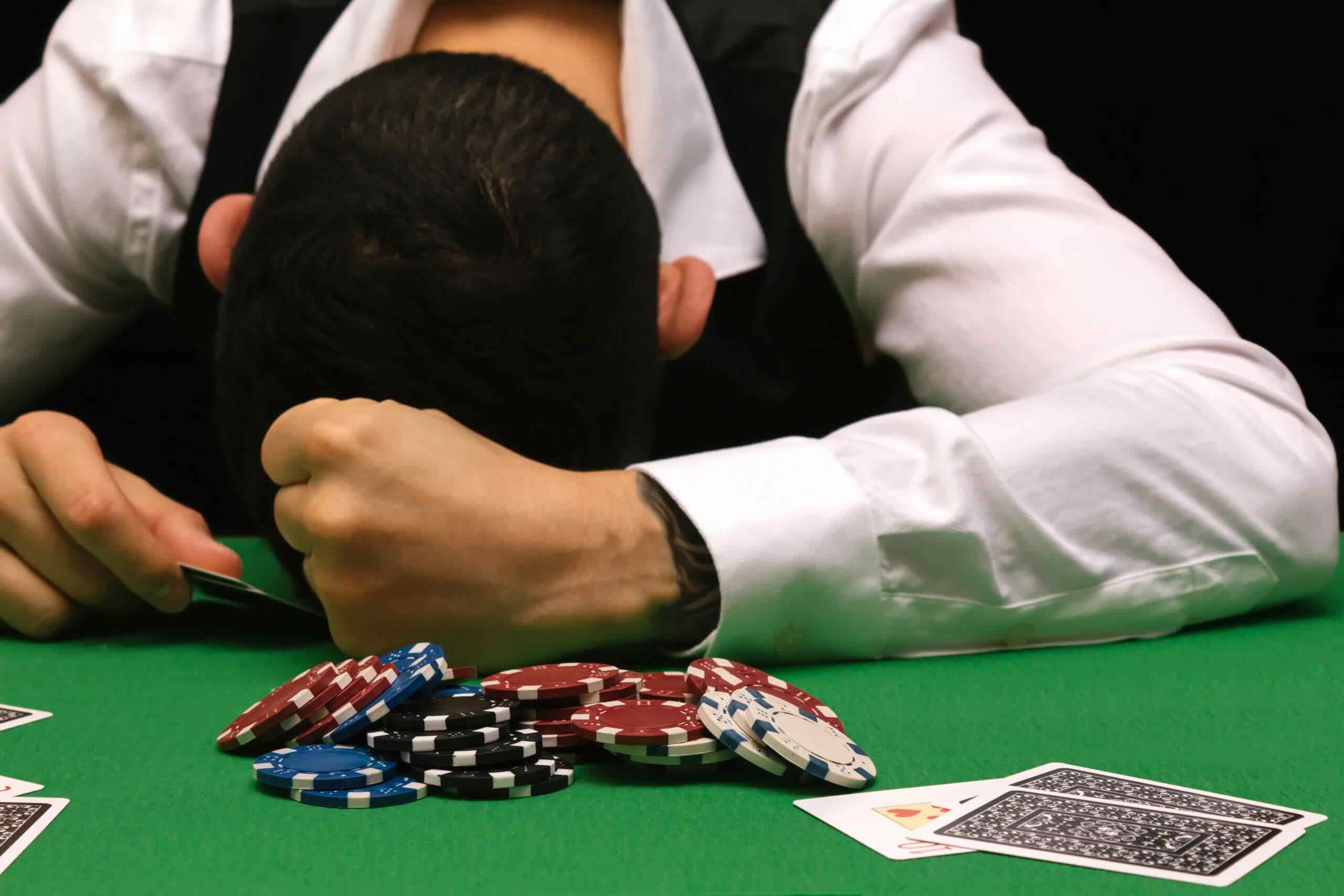
The impact of loss extends to how individuals evaluate their overall gambling experiences. Studies suggest that losses are perceived more intensely than equivalent wins, a phenomenon known as loss aversion. This psychological tendency can make the pursuit of future wins feel even more imperative, as players aim to mitigate the negative feelings associated with past losses. Consequently, this creates a compelling narrative where losses can lead to increased gambling activity rather than deterring it. This cycle perpetuates a challenging scenario, making it difficult for individuals to step back and reassess their gambling behaviors from a rational perspective.
In addition to individual experiences, the broader societal implications of loss aversion are significant. As individuals grapple with the psychological effects of gambling-related losses, the potential for addiction increases. Many gambling establishments capitalize on this cycle, creating environments that encourage continuous play, thus exacerbating the challenges faced by individuals struggling with responsible gambling. Addressing these issues through education and awareness is essential in promoting healthier gambling behaviors and safeguarding against the potential harms of gambling addiction, including seeking help and support when needed.
The Role of Responsible Gambling Initiatives
As the negative impacts of gambling become more widely recognized, the importance of responsible gambling initiatives has gained prominence. These programs aim to educate players about the risks associated with gambling and promote strategies for healthy engagement. By providing information on setting limits, recognizing problem behaviors, and seeking help when needed, these initiatives can significantly influence players’ understanding of their relationship with gambling. Awareness and education are foundational to creating a safer gambling environment.
Public awareness campaigns often focus on promoting the concept of moderation, encouraging individuals to gamble for entertainment rather than as a means of making money. By emphasizing the need for self-awareness and personal accountability, these campaigns help demystify the allure of gambling and highlight its potential risks. Successful responsible gambling initiatives also include measures to create safer environments, such as easy access to support services and tools that allow players to set personal limits on their activities, fostering a culture of responsible gaming.
Moreover, online gambling platforms have implemented various responsible gambling features, including deposit limits, time-outs, and self-exclusion options. These tools empower players to take control of their gambling habits, helping them to make informed decisions about their activities. By integrating responsible gambling principles into their operations, casinos and online platforms can demonstrate a commitment to player safety, ultimately fostering a healthier gambling culture that prioritizes well-being over profit. This proactive stance is crucial in reducing the stigma around seeking help for gambling-related issues.


